Not all "plant-based" straws deliver the same performance. Learn what separates premium compostable/biodegradable materials from cheaper alternatives, and why formulation quality matters as much as the base material.
Why Quality Varies in Plant-Based Plastics
Just like wine made from the same grapes can taste vastly different depending on production methods, plant-based plastics vary dramatically based on:
- Resin purity and grade - Virgin vs. recycled, food-grade vs. industrial
- Additive packages - Plasticizers, impact modifiers, processing aids
- Manufacturing process control - Temperature, pressure, cooling rates
- Quality testing - Batch testing vs. periodic sampling
- Blending ratios - In composite materials, proportions matter
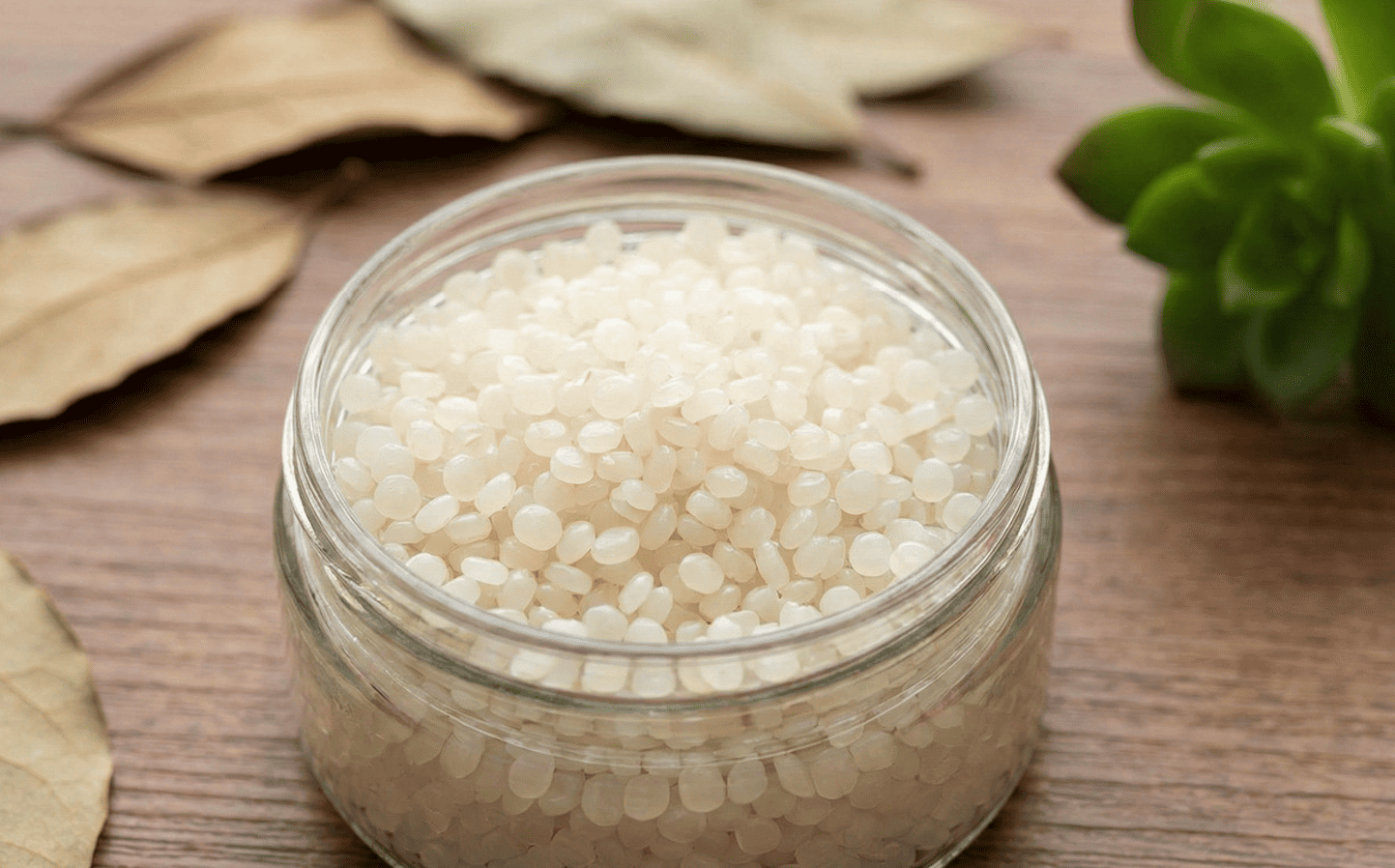
Plant-based plastic resins
Premium PLA vs. Commodity PLA
Premium PLA (NatureWorks Ingeo, Total Corbion, etc.)
- Consistent molecular weight distribution
- Low levels of impurities and residual lactide
- Predictable crystallization behavior
- Reliable mechanical properties batch-to-batch
- Full traceability and quality documentation
Commodity PLA (Generic sources)
- Variable quality between batches
- May contain recycled or off-spec materials
- Less predictable performance
- Limited technical support
- Inconsistent appearance (yellowing, clarity issues)
Composite Materials: When 1+1 = 3
Many high-performance plant-based products blend multiple materials to optimize properties:
PLA + Natural Fibers
- Wheat straw fibers + PLA = better rigidity, lower cost
- Wood fibers + PLA = natural appearance, improved strength
- Rice hulls + PLA = reduced petroleum content, unique aesthetics
PLA + PHA Blends
- Combines PLA's cost-effectiveness with PHA's heat resistance
- Balances performance and price
- Can offer middle-ground composting requirements
PLA + Plasticizers/Modifiers
- Impact modifiers prevent brittleness
- Heat stabilizers improve temperature tolerance
- Processing aids ensure consistent manufacturing
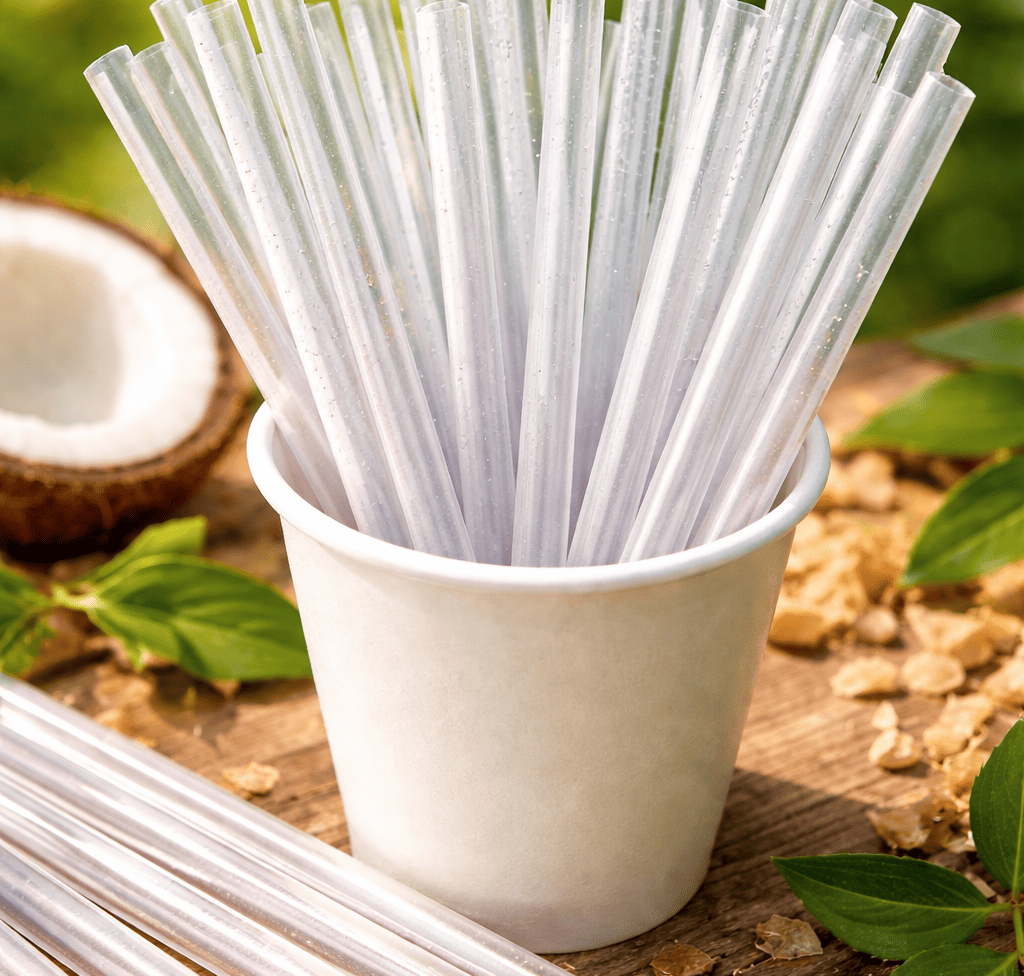
PHA straws
Performance Factors That Reveal Quality
1. Consistency
Premium materials deliver identical performance straw-to-straw, box-to-box, month-to-month. Signs of quality issues:
- Some straws crack easily while others don't
- Color variations between batches
- Dimensional inconsistency (diameter, wall thickness)
2. Brittleness vs. Flexibility Balance
Quality formulations achieve proper balance:
- Too brittle = cracks when bent or dropped
- Too flexible = collapses when inserted in thick drinks
- Just right = firm yet resilient, like quality plastic
3. Surface Finish
- Premium: Smooth, glossy, free of defects
- Standard: Minor surface texture acceptable
- Poor quality: Rough spots, pitting, discoloration
4. Clarity (for transparent straws)
- Premium: Crystal clear, like glass
- Standard: Slight haze acceptable
- Poor quality: Yellow tint, cloudiness, streaks
How PrairieMate Ensures Quality
- Use in-house resins - Proprietary plant-based plastic resins developed by PlastScienc Inc.
- Source premium resins - Partner with leading PLA/PHA manufacturers
- Proprietary blends - Optimize formulations for each product type
- Batch testing - Products tested every ten minutes from the production line
- Process control - Consistent manufacturing parameters
- Incoming inspection - Raw materials tested before use
- Customer feedback loop - Continuous improvement based on real-world performance
Experience the PrairieMate Quality Difference
Shop our products and compare our premium plant-based products against other alternatives.
Red Flags: Spotting Low-Quality Products
- "Plant-based" without specifying PLA, PHA, or specific material
- Vague environmental claims
- Unusually low prices (30%+ below market)
- Supplier can't provide material specifications or testing data
- Customer reviews mentioning cracking, breaking, or inconsistency
- No information about resin source or manufacturing location
Questions to Ask Suppliers
- What specific resin do you use? (Brand name, grade)
- What certifications do your products hold?
- Can you provide material datasheets and test reports?
- What additives are in your formulation?
- Where are products manufactured?
- What quality control processes do you use?
- Can you provide samples from multiple production batches?
The Bottom Line
Premium plant-based materials cost slightly more but deliver:
- Consistent performance that builds customer confidence
- Fewer complaints and replacements
- Better brand representation
- Reliable supply chain
- True compostability without surprises
Don't Settle for Commodity Quality
PrairieMate uses premium materials and proprietary formulations to ensure every straw performs flawlessly.
Shop Now