Understanding PLA and PHA: The Basics
Both PLA (Polylactic Acid) and PHA (Polyhydroxyalkanoates) are plant-based alternatives to traditional plastics. However, they're produced differently, perform differently, and serve different business needs. At PrairieMate, we leverage both polymers: PLA as the backbone for our C-Series product line, and PHA as the backbone for our M-Series product line. Both are manufactured using our proprietary CelluMeld™ technology.
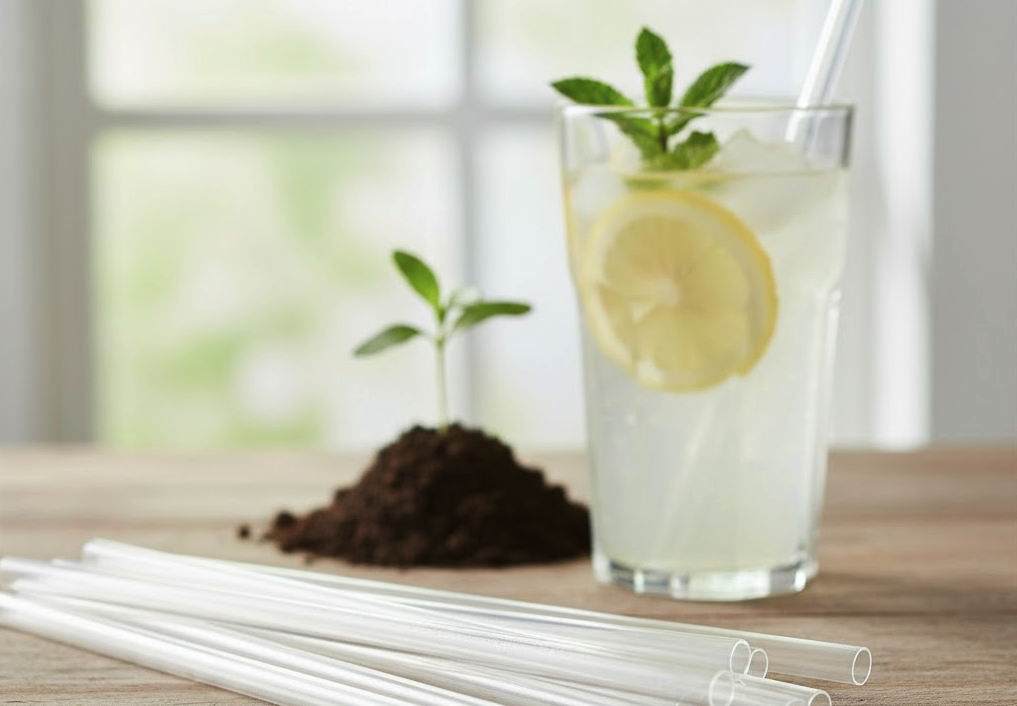
PLA straws
What is PLA?
PLA is made from fermented plant starches (typically corn, sugarcane, or wheat). It's the most widely-used compostable plastic globally, with proven performance and established supply chains. PLA has been the workhorse of the compostable products industry for over 20 years.
What is PHA?
PHA is created through bacterial fermentation of plant sugars or oils. The bacteria naturally produce PHA as an energy storage mechanism. PHA is newer to the market but offers unique advantages, particularly in composting versatility and heat resistance.
Side-by-Side Performance Comparison
| Feature | PLA Straws | PHA Straws |
|---|---|---|
| Performance in Cold Drinks | Excellent - 2+ hours | Excellent - 2+ hours |
| Heat Resistance | Good up to 110°F (or higher with crystallization) | Better - up to 140°F |
| Industrial Composting | 180 days | 90-120 days (faster) |
| Home Composting | Not recommended | Possible (12-24 months) |
| Marine Biodegradation | Limited | Yes - breaks down in ocean water |
| Cost | Lower - established production | Higher - newer technology |
| Availability | Wide - many suppliers | Growing - fewer suppliers |
| Certifications | ASTM D6400, EN 13432, ASTM D5511 | ASTM D6400, EN 13432, ASTM D5511, ASTM D6691, ISO 17556 |
When to Choose PLA Straws
PLA is ideal for businesses that:
- Prioritize cost-effectiveness - PLA offers the best price-to-performance ratio for compostable straws
- Serve primarily cold beverages - Perfect for iced coffee, sodas, smoothies, and bubble tea
- Have access to commercial composting - Works with most industrial composting facilities
- Need reliable supply chains - Established manufacturing means consistent availability
- Want proven performance - Decades of real-world use in restaurants and cafes
- Prefer familiar materials - Customers recognize PLA as a trusted compostable option
When to Choose PHA Straws
PHA is the better choice if you:
- Serve warmer beverages - Better heat resistance for warm drinks up to 140°F
- Operate in hot climates - Won't soften during summer heat or outdoor events
- Need home compostable options - Appeals to eco-conscious customers with home compost systems
- Want faster industrial composting - Breaks down 30-50% faster than PLA
- Are near coastal areas - Marine biodegradable properties provide extra environmental insurance
- Can justify premium pricing - Worth the extra cost for specific performance benefits
- Want cutting-edge sustainability - Position your brand with next-generation materials
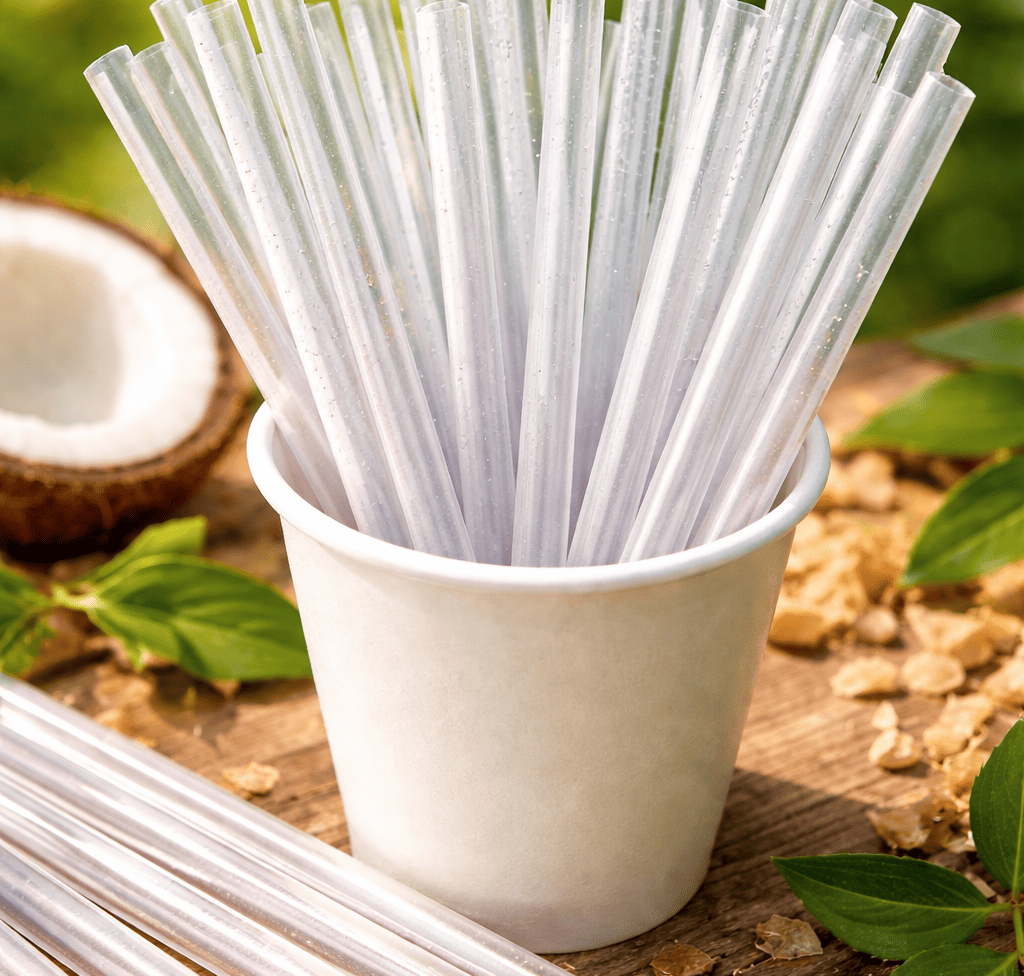
PHA straws
Performance in Real-World Conditions
Cold Beverages (32°F - 50°F)
Both PLA and PHA perform identically in cold drinks. You'll get 2+ hours of use without any sogginess, softening, or structural degradation. For iced coffee, bubble tea, sodas, and smoothies, either material works perfectly.
Room Temperature Drinks (50°F - 80°F)
Again, both materials perform excellently. Neither will soften or degrade at normal room temperatures. Your customers won't notice any difference from traditional plastic straws.
Warm Beverages (80°F - 110°F)
PLA begins to soften around 110°F, making it less ideal for hot drinks. PHA maintains rigidity up to 140°F, making it better for warm beverages, though most hot drinks are served above both thresholds and aren't typically consumed with straws.
Hot Weather & Outdoor Events
PLA: May soften if left in direct sunlight or hot vehicles (120°F+). Store in cool, dry conditions.
PHA: Better heat tolerance means less risk of softening during transport or at outdoor events.
Cost Considerations
Direct Material Cost
- PLA straws: Typically 30-40% lower cost than PHA
- PHA straws: Premium pricing reflects newer production technology
Total Cost of Ownership
Consider these factors beyond per-straw pricing:
- Customer satisfaction: Fewer complaints = lower service costs
- Waste stream: Faster composting with PHA may reduce disposal costs in some regions
- Marketing value: PHA's premium positioning may justify higher menu prices
- Replacement rate: Both materials have very low replacement needs
- Storage costs: PHA's heat tolerance may reduce spoilage in warm climates
Environmental Impact Comparison
Carbon Footprint
- PLA: Lower manufacturing emissions due to established processes
- PHA: Slightly higher due to cell breaking and extraction processes, but offset by faster biodegradation
Composting Pathways
PLA: Requires industrial composting (140°F+, controlled conditions). Not suited for home composting or marine environments.
PHA: Works in industrial, home, soil, and even marine environments. Most versatile end-of-life options.
Microplastics
Both PLA and PHA break down completely into water, carbon dioxide, and biomass with zero microplastic pollution. This is a critical advantage over traditional plastics and even some "biodegradable" alternatives.
Certification & Compliance
PLA Certifications
- ASTM D6400 (US industrial compostable standard)
- EN 13432 (European compostable standard)
- BPI Certified Compostable (Biodegradable Products Institute)
- FDA food contact approved
PHA Certifications
- ASTM D6400 (US industrial compostable standard)
- EN 13432 (European compostable standard)
- ASTM D5511 (Landfill biodegradation standard)
- ASTM D6691 (Marine biodegradable standard)
- ISO 17556 (Soil biodegradation standard)
- TÜV Austria OK compost HOME
- FDA food contact approved
Supply Chain & Availability
PLA has mature supply chains with multiple manufacturers worldwide. Lead times are typically 4-8 weeks, and supply is generally stable. Major producers include NatureWorks (USA), Total Corbion (Thailand), and others.
PHA has fewer manufacturers and newer production facilities. Lead times may be 6-12 weeks, and availability can be more variable. Key producers include Danimer Scientific (USA), Kaneka (Japan), and emerging players.
Not Sure Which Material Is Right for You?
Our team can help you evaluate PLA vs PHA based on your specific use case, budget, and sustainability goals.
Can You Mix PLA and PHA?
Yes! Many businesses use both materials strategically:
- PLA for most drinks: Cost-effective for cold beverages and standard service
- PHA for premium items: Use for warm drinks, outdoor events, or as an upsell feature
- PHA for summer months: Switch to better heat resistance during hot weather
- PLA for indoor, PHA for outdoor: Match material to service environment
Customer Perception & Marketing
PLA Messaging
- "Plant-based compostable straws"
- "Made from renewable resources"
- "Certified compostable to ASTM standards"
- Customers are familiar with PLA and trust it
PHA Messaging
- "Next-generation compostable straws"
- "Home compostable option"
- "Marine biodegradable"
- "Premium sustainable choice"
- Appeals to customers seeking cutting-edge sustainability
The Bottom Line
Choose PLA if: You want proven performance, wide availability, and the best cost-to-value ratio for cold and room-temperature beverages.
Choose PHA if: You need superior heat resistance, faster biodegradation, home compostable options, or want to position your brand with next-generation sustainable materials.
Use both: Many successful businesses use PLA as their standard and PHA for specific applications where its unique properties justify the premium.
Frequently Asked Questions
Do PLA and PHA straws look different?
No, both can be made transparent or colored, and customers typically cannot tell them apart visually. The differences are in performance characteristics, not appearance.
Can customers compost them at home?
PHA can break down in home compost (12-24 months). PLA requires industrial composting facilities with sustained high temperatures.
Which is better for the environment?
Both are significantly better than petroleum plastic. PHA has more versatile end-of-life options, while PLA has a lower production footprint. The best choice depends on your local waste infrastructure.
Are there PLA/PHA blends available?
Yes, some manufacturers create blends that combine PLA's cost-effectiveness with PHA's heat resistance. These composites offer middle-ground performance and pricing.
Ready to Order?
PrairieMate offers both PLA and PHA straws in all sizes. Shop our products and test both materials in your operation.
Shop Now